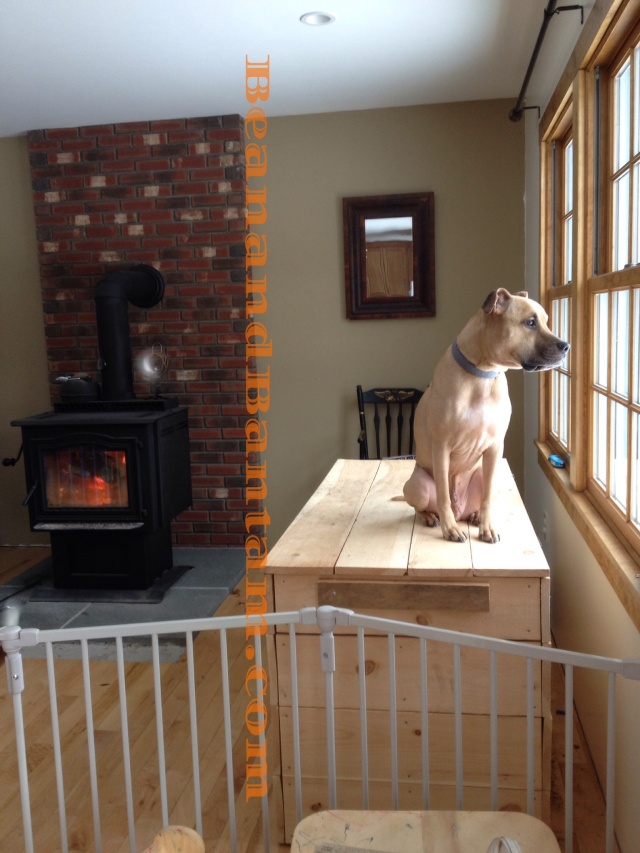
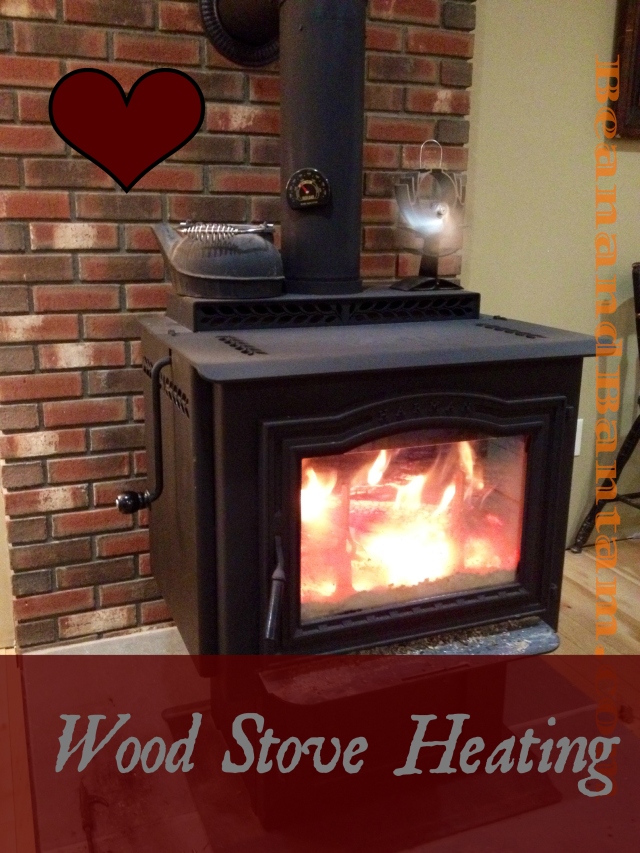
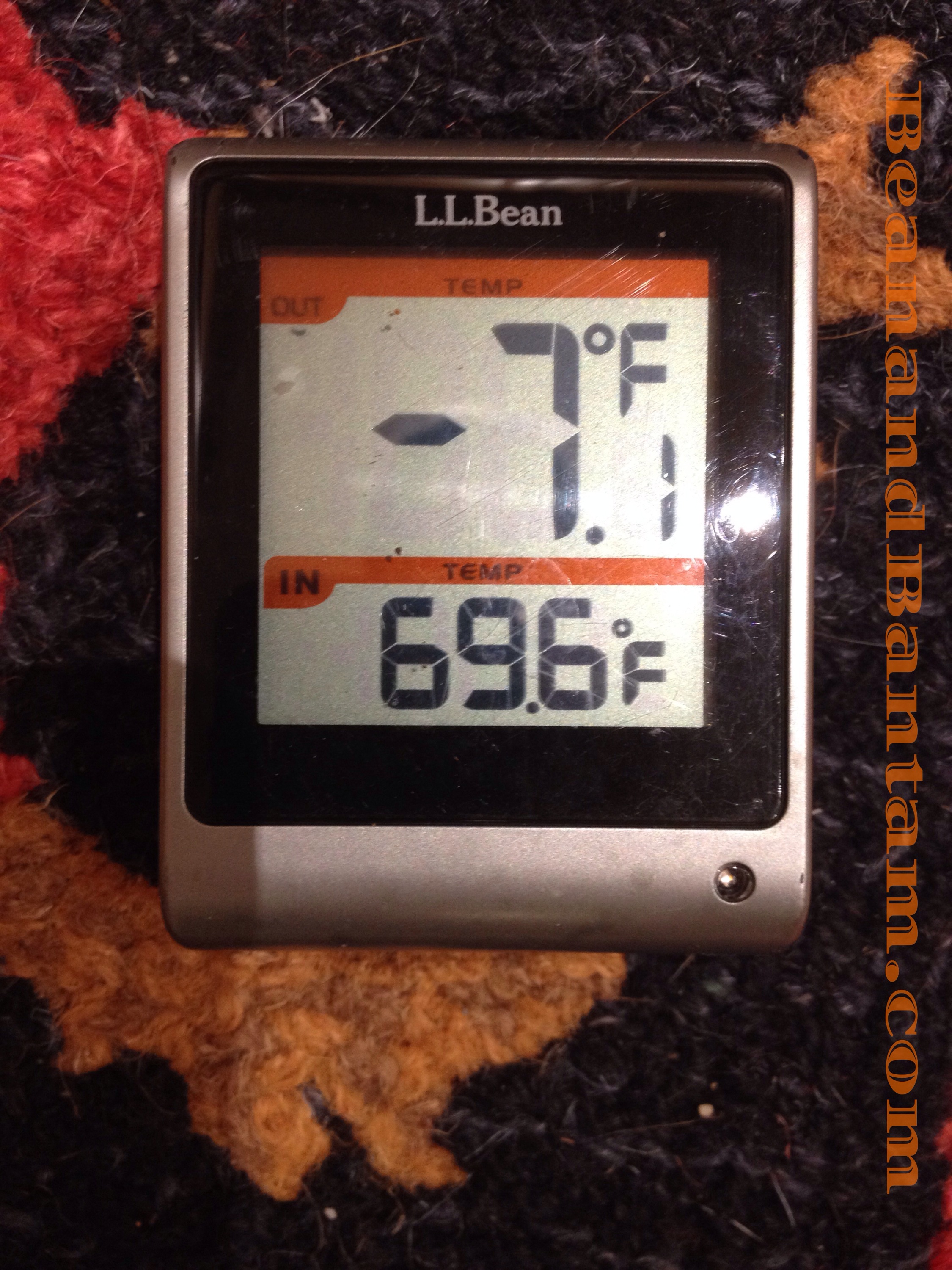
 The wood stove is our sole source of heat for the winter, and a good part of the fall and spring, and we use it to heat our house without the reassurance of a “back up” furnace. In a New England winter, heat is essential to survival. Temperatures regularly go below freezing, and sometimes below zero. Our wood stove keeps us warm and keeps our plumbing from freezing up. We do have an oil-fueled boiler in the cellar, but somewhere in the process of our ongoing house renovation (my husband would know exactly at what point, I prefer forget anything to do with renovation) the boiler was disconnected. The pipes which circulated heat throughout the house were torn out, a cracked chimney was torn down, through the middle of the house…six feet from our bed and down through our living room which involved cement grout dust like you would NOT believe, and a new chimney was built on a gable end far from the old boiler. We plan to hook the boiler back up, but we haven’t, for the past two winters. We have relied on the wood stove to heat the entire house, and we think it does so quite well. Last week the temperatures fell well below zero (-7 F), and we were able to keep our house at a very comfortable 69.6 F using only the wood stove, although we did have to load a bit more wood than usual to do so. I felt like we were racing against the cold, loading the stove with an eye on the outside temperature and praying the inside temperature wouldn’t drop as it fell further below zero outside. I think the factors that assist in our being able to heat only with a wood stove are:
- We have an open floor plan on the first floor so heat can circulate freely on the first floor before heading upstairs. Our kitchen, dining room, and living room (this last being where the stove is located) do not have doors or walls separating or defining each space. The second floor is heated as the warm air rises… we often have to shut bedroom doors at night to keep from flinging open windows in order to sleep comfortably.
- We have a large wood stove: a Harman TL300 Top Load which is about 3 cubic feet, and we can load up once a good bed of coals is established, and then shut down for a slow burn (the Harman web site claims “up to 17 hours of steady, even heat from each load of wood” but we have not seen that… I’d be amazed if I ever saw that… we can leave the house in the morning and come back at night to a good bed of coals that re-catch if you put a couple logs on, without a big fuss).
- This is not a drafty old house any longer; we have double-paned energy efficient windows (and the house has been insulated, wrapped, and re-sided), and we aren’t afraid to throw open those windows for some fresh air, even during a snowstorm. Because, that stove can seriously crank out some heat and there are winter days where we miscalculated the outside temperature, and loaded in too much wood, or burned it a little too open, and it’s then 74 or 80 F inside the house and we start wilting. Too much heat has, just once or twice, led me to throw open all the windows downstairs and stand in front of a nice winter breeze to cool down just a bit (and fresh air is always good, when things get shut up all winter long in most New England houses).
- We don’t travel during the winter; if we were to travel, we would need to have someone house sit to literally “keep the home fires burning,” or frozen pipes would become an issue. Frozen pipes or frozen sewer lines mean that at first thaw, water rains down your ceiling and walls, and your house is essentially flooded and ruined. By travel, I mean we don’t leave the house for more than 8-10 hours.
- I should put this item first. None of this would be possible if my husband didn’t split, stack, and haul fire wood, and a lot of it. It’s a lot of work. He is definitely to be commended. This past summer he split and stacked an entire log load of wood: an entire logging truck was unloaded at the top of our driveway and converted, through his labor from full size logs to neat stacks of split wood.
The result is that so far, we’ve done well with just the wood stove. We will eventually move the boiler over to the new chimney, hook it back up, and connect the piping throughout the house, but before we do, there’s some renovation that has to occur on the second floor… now that the first floor is pretty much finished.
 I would love to hear your experiences heating with wood, please feel free to share in the comments below, or ask any questions.
Enter your email, press the follow button above for Bean & Bantam posts by email delivery!






 BEAN & BANTAM